
25 Jul Car Shipping to Liberia
Car Shipping to Liberia
🚢 Vehicle Shipping Calculator
Place an online request →
Are you relocating to Liberia or just wish to bring your trusted car with you? Shipping a car to Liberia may be a complicated procedure, but with the appropriate information and planning, it can be a stress-free and flawless experience.
In this post, we will go over everything you need to know about shipping a car to Liberia, from the paperwork needed to the various shipping options and their associated costs and time estimates.
Car Shipping to Liberia – Choosing the Right Shipping Company
When exporting a car to Liberia via RoRo, selecting the correct shipping provider is important. The shipping company will transfer the car from the origin port to the destination port, thus it is important to select an experienced, dependable, and trustworthy organization.
When selecting a shipping company, keep the following considerations in mind:
- Experience: Look for a shipping company with a track record of successfully moving cars to Liberia. In order to guarantee that the organization has a history of pleasing consumers, get references and testimonials from former customers.
- Reliability: Select a transportation company with a track record of delivering cars on schedule and in good condition. Inquire about the company’s safety record and the precautions they take to protect your vehicle during transit.
- Cost: Get quotations from different shipping providers to compare pricing and guarantee you’re receiving the best deal. However, keep in mind that the lowest price is not necessarily the best option, since it may indicate a lack of knowledge or dependability.
- Customer service: Choose a shipping company that provides exceptional customer care and assistance both before and after the cargo. During the shipment procedure, the company should be ready to address any questions or issues you may have.
- Insurance: Make certain that the shipping provider provides enough insurance coverage for your vehicle during shipment. Inquire about the coverage’s terms and restrictions, and be sure it provides appropriate protection for your vehicle in the event of damage or loss.
By taking these aspects into account, you can guarantee that you select the best shipping business for your needs and have a good shipping experience.
Car Shipping to Liberia – Shipping Methods
Roll-on/Roll-off and container shipping are the two primary ways to transport cars to Liberia (RoRo).
Roll-on/Roll-off (RoRo) Shipping
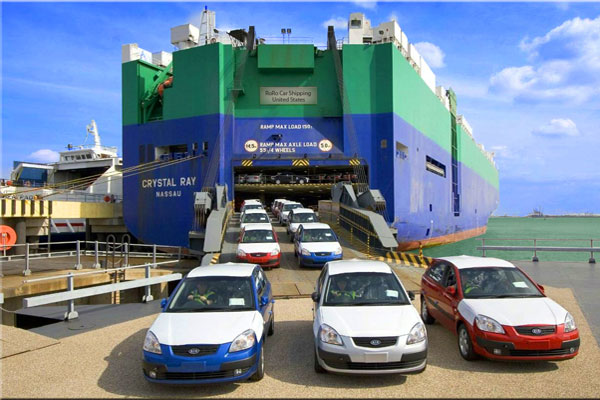
The most well-liked and economical way to send a car to Liberia is via RoRo. Your car is driven onto the ship using this technique, where it is then secured for the voyage. Depending on the location of departure, RoRo ships frequently sail from major ports all over the world. The shipment duration is typically between 8 and 10 days.
The shipping procedure is simple, and the vehicle is locked in position after being driven onto the ship to safeguard it from the weather. Depending on the port of departure and the final destination, the RoRo shipping time might vary from 8 to 10 days.
If your car is in good functioning order and can be driven onboard the ship, RoRo shipping is a great choice for you if you’re looking for a quick and affordable way to export it overseas. It’s crucial to keep in mind that certain limitations and rules could be in place, so it’s advisable to double-check with a shipping company or the appropriate authorities to verify compliance.
Container Shipping
Container shipping is a more secure method of delivering your car to Liberia since it is transported within a shipping container. This approach is more suited for high-value or luxury cars since it protects them from weather and other potential harm during transit. Container shipment normally takes 12 to 14 days, depending on the point of departure.
Car Shipping to Liberia – How Much Does it Cost?
The cost of shipping a car to Liberia is determined by a variety of factors, including the brand and model of your vehicle, the shipping method, and the port of departure.
RoRo shipping costs between $1,000 and $1,500, while container shipment can cost between $2,500 and $5,000. It is crucial to remember that these are only estimates, and the ultimate cost will be determined by the specifics of your cargo.
Required Documentation for Car Shipping to Libya
There are a number of documentation you must get ready before transporting your car to Liberia, including:
- Proof of ownership
- Bill of sale
- Registration and insurance documents
- Passport and visa (if relocating)
Proof of Ownership
Proof of ownership is required when transporting a car internationally using the Roll-on/Roll-off (RoRo) technique. The certificate of ownership aids in demonstrating that the individual shipping the car is its legitimate owner.
When transporting a car via RoRo, it is important to present the proper evidence of ownership. Without correct evidence of ownership, the shipping company may refuse to accept the car for shipment, resulting in delays and increased fees.
Bill of Sale
When exporting a vehicle via Roll-on/Roll-off (RoRo), a bill of sale is a crucial document. The bill of sale serves as ownership documentation and certifies the ownership of the vehicle by the seller and buyer.
Both the buyer and the seller should sign and date the bill of sale. Also, each should retain a copy for their records. When transporting a car via RoRo, the original bill of sale must be provided as proof of ownership to the shipping company.
Registration and Insurance Documents
Registration and insurance documents are important when shipping a car using the Roll-on/Roll-off (RoRo) method. The shipping business and local authorities demand documents, which also verify the legitimacy and security of the vehicle during transportation.
It is vital to have the relevant registration and insurance documentation in place before exporting a car via RoRo. Without this documentation, the shipping company may refuse to accept the car for shipment, resulting in delays and increased charges.
Keep a copy of all registration and insurance paperwork for personal records. Keep them on hand in case they are needed during shipping.
Passport and Visa
If the car is being shipped internationally, a passport and visa are required for the Roll-on/Roll-off (RoRo) technique.
Depending on the origin and destination nations, the vehicle may have to clear customs.
- Passport: The passport is a crucial document that proves the identity of the individual shipping the car. It is used to clear customs and immigration in both the origin and destination countries. The passport should be valid for at least six months from the date of arrival in the destination country.
- Visa: A visa is a government-issued document that allows an individual to enter and stay in a foreign country for a specified period of time. Some countries may require a visa for individuals shipping a car, even if they are not planning to stay in the country. In order to obtain the necessary visas, it is important to check the visa requirements for both the origin and destination countries.
To minimize any delays or issues during the shipping procedure, it is important to have a valid passport and visa when exporting a car via RoRo. Documents related to shipping should be readily available and in good condition throughout the process.
Though Liberia is a member of the European Union, customs procedures are usually straightforward. You must still submit the aforementioned paperwork and confirm that your vehicle complies with import laws in the nation.
Prepare Your Car for Shipping to Liberia
There are various things you must do to prepare your car before transporting it to Liberia, including:
- Remove all personal items from the car
- Disconnect the battery and drain the fuel tank to a quarter-full
- Make sure the car is in good working condition
- Disable the alarm system
Remove all Personal Items
Remove any personal belongings from the car before prepping them for RoRo transportation. This covers everything that isn’t actually a component of the car, such as clothing, gadgets, personal belongings, and anything else.
There are several reasons for this:
- Security: Personal items in the car can increase the risk of theft or loss during the shipping process. By removing them, the risk is minimized, and the items are protected.
- Regulations: Some countries have regulations regarding the shipment of personal items, and removing them from the car can help ensure compliance.
- Insurance: Many insurance policies do not cover personal items during the shipping process. So, removing them helps to minimize the risk of loss or damage.
- Convenience: Removing personal items from the car makes it easier to access the car once it arrives at its destination. Also, it helps to avoid the hassle of having to remove them later.
Disconnect the Battery and Drain the Fuel Tank
Disconnecting the battery and emptying the gasoline tank to around a fourth of its capacity are important steps in preparing a car for RoRo transportation.
This protects the safety of the car and other cars on the ship and assists in preventing any possible problems during the transportation procedure.
Disconnecting the battery: By doing so, any electrical issues that could arise during transportation can be avoided. Additionally, it lessens the chance of a fire occurring and aids in extending battery life.
Emptying the gasoline tank: Emptying the fuel tank to around one-fourth of its capacity can assist lighten the vehicle’s load, which will result in less fuel being used throughout the voyage. Additionally, it lessens the possibility of a fire occurring and aids in avoiding spillage that can harm the car or other cars on the ship.
Car Shipping to Liberia – Verify the Vehicle’s Functionality
It’s essential for a smooth and effective RoRo shipping process that the car is in good operational order before delivery. A car that isn’t in good functioning order may result in delays, extra expenses, or even shipping company rejection.
You should do the following to make sure the car is in good functioning order:
- Pre-shipment inspection: Before shipping the vehicle, it’s important to do a pre-shipping examination to find any potential problems. This includes ensuring the proper operation of the brakes, tyres, suspension, and other crucial systems.
- Fix any problems: Prior to exporting the car, any problems found during the pre-shipment inspection should be fixed. This can assist in preventing any shipping-related delays or expenditures.
- Inform the shipping business of any known problems: If there are any problems with the car, you should let the shipping company know right once. This simplifies the preparation of the car for transportation and makes it easier to take additional precautions to protect it during transport.
You may contribute to a smooth and successful RoRo shipping procedure by making sure the car is in good operational order before delivery.
Disable Alarm System
An essential part of getting ready for RoRo shipment is turning off the car’s alarm system. During transportation, alarm systems can set off false alerts and drain batteries.
- Consult the owner’s handbook: Prior to deactivating the alarm system, read the vehicle owner’s manual. Depending on the make and model of the car, the handbook ought to have instructions on how to turn off the alarm system.
- Disconnect the battery: Disconnecting the battery is a quick and easy way to turn off the alarm system. It reduces the possibility of a dead battery upon arrival and prevents the alert from triggering during shipping.
- Disable the alarm by flipping the switch: The alarm system commonly has an alarm switch located next to the driver’s seat. If it does, you can silence it by pressing the switch.
- Owner’s handbook should be consulted: Initializing the alarm system and disabling it.
- Get in touch with the supplier: You can ask the manufacturer for help if you can’t turn off the alarm system using the aforementioned techniques. They might be able to give you more detailed instructions or put you in touch with a specialist who can assist.
You may contribute to a smooth and stress-free RoRo shipping procedure by turning off the alert system.
Final Thoughts
Even though it may appear difficult, shipping a car to Liberia can be a straightforward and stress-free process with the appropriate information and planning.
Whether you decide on RoRo or container shipping, be sure to have all the required paperwork on hand and properly equip your car for the journey. Do not be afraid to contact a reliable shipping business for professional guidance if you have any queries or require more assistance.