

20 Jul Car Shipping to the Dominican Republic from the USA
⚡ Quick Answer: How Do I Ship a Car to the Dominican Republic from the USA?
Shipping a car to the Dominican Republic from the USA commonly costs around $1,200–$3,000+, depending on the vehicle size, U.S. pickup location, departure port and whether you choose RoRo or container shipping. Approximate ocean transit time can range from about 3–14 days from Florida and other East Coast gateways, with longer schedules possible from more distant U.S. ports or transshipment routes. Major vehicle and cargo gateways include Río Haina, Santo Domingo and Caucedo. Before booking, confirm that the vehicle complies with Dominican import rules: used vehicles generally must be five years old or newer, and salvage vehicles are prohibited.
USA → Dominican Republic Car Shipping • Río Haina • Santo Domingo • Caucedo • RoRo & Container
Car shipping to the Dominican Republic from the United States is a popular route for sedans, SUVs, pickup trucks and other qualifying vehicles. A successful shipment involves U.S. pickup, export documentation, ocean transportation and Dominican customs clearance. This guide explains vehicle eligibility, shipping costs, transit times, RoRo versus container service, major Dominican ports, U.S. exit-port planning, customs considerations and the documents needed before your vehicle sails.
USA to Dominican Republic Car Shipping Guide
- Car Shipping Overview
- Vehicle Import Rules
- Car Shipping Costs
- Dominican Republic Shipping Ports
- RoRo vs Container Shipping
- Step-by-Step Shipping Process
- Transit Time from the USA
- Required Documents
- Strategic U.S. Exit Ports & Vehicle Pickup
- Vehicle Preparation
- Dominican Customs, Taxes & Registration
- Commercial B2B Auto Export Solutions
- Frequently Asked Questions
Car Shipping from the USA to the Dominican Republic
The Dominican Republic is one of the most accessible Caribbean destinations for vehicle shipping from the United States, particularly from Florida and East Coast export gateways. Vehicles may be collected from residences, dealerships, auctions or storage facilities and transported to the appropriate U.S. export terminal before sailing.
Information Needed for a Quote
- Vehicle year, make and model
- VIN
- Running or non-running condition
- U.S. pickup ZIP code
- Vehicle dimensions if oversized
- Preferred Dominican destination
- RoRo or container preference
What the Importer Should Confirm
- Vehicle manufacturing year
- Title and ownership status
- Whether the vehicle has a salvage history
- Customs valuation and import taxes
- Dominican customs-agent arrangements
- Destination pickup or inland transportation
What Cars Can Be Imported into the Dominican Republic?
Dominican Customs maintains specific restrictions on used vehicle imports. Used vehicles generally cannot be more than five years old based on the applicable vehicle-year calculation, and vehicles classified as salvage are not permitted.
Used Vehicle Age Limit
For most standard used passenger vehicles, the vehicle should fall within the permitted five-year manufacturing window.
- Confirm the manufacturing/model year before purchase
- The permitted vehicle year changes with the customs calendar
- Older vehicles may be refused entry
- Special exemptions should not be assumed
Salvage Vehicles
Vehicles recorded as salvage or considered unfit to circulate in the country of origin are prohibited from importation.
- Check the title brand before purchasing
- Review auction title status carefully
- Do not rely only on vehicle appearance
- Confirm eligibility before arranging ocean freight
How Much Does It Cost to Ship a Car to the Dominican Republic?
As a general planning range, shipping a car from the USA to the Dominican Republic may cost around $1,200–$3,000+. Final pricing depends on the vehicle, origin, inland pickup requirements, departure terminal and shipping service selected.
Vehicle Size
Sedans generally cost less than SUVs, pickup trucks and oversized vehicles because ocean and inland transport pricing can depend on dimensions.
Pickup Location
Vehicles already located in Florida or near an East Coast export terminal may have lower inland transportation costs.
RoRo or Container
RoRo and container service use different pricing structures, handling methods and port procedures.
Dominican Destination Costs
Customs duties, taxes, registration costs, port charges, storage, customs-agent fees and inland delivery are normally separate unless specifically included in the quote.
🚢 Vehicle Shipping Calculator
Place an online request →
Best Ports for Car Shipping to the Dominican Republic
The Dominican Republic has several commercial ports, but vehicle and container bookings are commonly planned around the Santo Domingo region. The final destination depends on the carrier, shipping method, sailing schedule and cargo type.
Río Haina
Puerto Río Haina is one of the most important cargo gateways serving Santo Domingo and is particularly relevant for vehicle imports. The port has extensive cargo-handling infrastructure and is frequently considered for RoRo and automotive traffic.
Port of Santo Domingo
The Port of Santo Domingo is another commercial gateway in the capital region and may be used depending on the shipping line, vessel schedule and type of booking.
Caucedo
Puerto Multimodal Caucedo is a major container terminal near Santo Domingo and is particularly important for containerized vehicle shipments and international cargo.
RoRo vs Container Shipping to the Dominican Republic
Both methods are widely used for transporting qualifying vehicles to the Dominican Republic. The best option depends on the vehicle condition, dimensions, value, departure port and whether additional cargo needs to be shipped.
RoRo Car Shipping
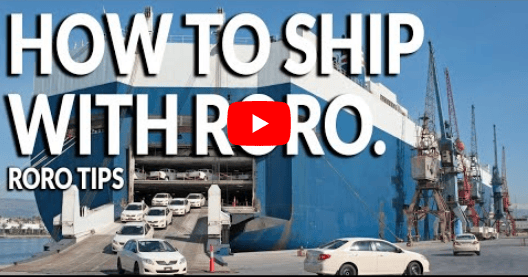
Roll-On/Roll-Off service is designed for vehicles that can be driven or safely moved through the shipping terminal.
- Popular for operable vehicles
- Often economical for standard cars and SUVs
- Vehicle dimensions must be declared
- Terminal acceptance rules apply
- Personal belongings are generally prohibited
- Sailing availability depends on the export port
Container Car Shipping
Container service provides an enclosed option and may suit higher-value vehicles, multiple vehicles or shipments requiring additional protection.
- Vehicle is enclosed during ocean transportation
- 20ft and 40ft containers may be available
- Professional loading and securing may be required
- Suitable for certain high-value vehicles
- Multiple compatible vehicles may share a container
- Additional approved cargo may sometimes be included
How to Ship a Car to the Dominican Republic: Step by Step
Confirm that the vehicle falls within the permitted age limit and is not classified as salvage.
Provide the year, make, model, VIN, condition and U.S. pickup ZIP code.
Compare U.S. pickup, export handling, departure-port options and ocean freight.
Select the shipping method based on vehicle condition, cost, protection requirements and available sailings.
The vehicle may be collected from a residence, dealer, Copart, IAAI or another accessible location.
Provide the original title and any other required export documents.
Vehicle and ownership documents must satisfy applicable export requirements before loading.
The vehicle is loaded onto the confirmed vessel or container service.
The consignee or customs broker files the necessary declaration and pays applicable taxes and charges.
After customs and terminal release, the vehicle can be collected or transported inland.
How Long Does It Take to Ship a Car to the Dominican Republic?
Because the Dominican Republic is relatively close to major Florida export ports, ocean transportation can be much faster than many international routes. Typical ocean transit may range from approximately 3–14 days from suitable Florida or East Coast gateways.
Florida Departures
Routes originating from Florida can sometimes reach Dominican ports within approximately 3–7 days on suitable direct sailings.
Total Shipping Timeline
The ocean voyage is only part of the process. Additional time may be required for:
- U.S. inland pickup
- Vehicle delivery to the export terminal
- Document processing
- Waiting for vessel departure
- Dominican customs clearance
- Port release and inland delivery
Documents Needed to Ship a Car to the Dominican Republic
Correct documentation is essential for both U.S. export processing and Dominican customs clearance.
Common U.S. Export Documents
- Original vehicle title
- Bill of sale or commercial invoice
- VIN information
- Shipper identification
- Consignee information
- Power of attorney where required
- Carrier booking documentation
- Bill of Lading
Dominican Import Documents
Common customs documentation may include:
- Vehicle title for a used vehicle
- Commercial invoice for a new vehicle
- Bill of Lading
- Dominican customs declaration
- Importer identification
- Certificate of origin where applicable
- Supporting customs documentation
Strategic U.S. Exit Ports for Car Shipping to the Dominican Republic
A vehicle does not need to be located near a seaport to ship to the Dominican Republic. All Transport Depot can coordinate inland transportation from residences, dealerships, Copart, IAAI, storage yards and commercial facilities throughout the United States to a suitable maritime export gateway.
The most efficient U.S. departure terminal depends on the vehicle’s location, running condition, size, shipping method, sailing availability and Dominican destination. The closest seaport is not always the most economical option when inland transportation and ocean freight are evaluated together.
Miami & South Florida
South Florida gateways are among the most practical options for vehicles moving to the Dominican Republic because of their proximity to the Caribbean and established cargo connections.
- Ideal for vehicles already located in South Florida
- Useful for Southeast U.S. vehicle sourcing
- Short Caribbean ocean routes
- Frequent regional cargo connections
- Suitable for cars, SUVs and pickups
Jacksonville, Florida
Jacksonville is an important Southeast automotive and cargo gateway and may be used for RoRo or containerized vehicle shipments depending on carrier schedules and available services.
- Useful for Florida, Georgia and Southeast pickup locations
- Major automotive cargo gateway
- RoRo and container options may be available
- Strong interstate access for inland vehicle delivery
- Suitable for vehicles and commercial cargo
Baltimore & Newark Area
Mid-Atlantic and Northeast gateways can be useful for vehicles sourced from dealerships, auctions and storage facilities throughout the Northeast and Mid-Atlantic regions.
- Useful for Northeast Copart and IAAI purchases
- Can reduce unnecessary inland transport to Florida
- Suitable for cars, SUVs and other qualifying vehicles
- Access to major automotive-export infrastructure
- Carrier availability determines final routing
Houston & Gulf Coast Gateways
Gulf Coast routing may be attractive for vehicles originating in Texas and surrounding states, particularly larger vehicles, pickup trucks and commercial cargo.
- Useful for Texas and Southwest pickup locations
- Can reduce long-distance inland trucking
- Suitable for pickups, SUVs and larger vehicles
- Useful for certain machinery or commercial shipments
- Schedules should be compared before booking
Common Vehicle Pickup Locations
- Private residences
- Car dealerships
- Copart auctions
- IAAI auctions
- Storage yards
- Commercial facilities
- Vehicle wholesalers
What We Need for Pickup Pricing
- Pickup ZIP code
- Vehicle year, make and model
- Running or non-running condition
- Key availability
- Auction release status
- Lot number where applicable
- Pickup contact details
How to Prepare Your Car for Shipping
Vehicle Preparation
- Clean the vehicle before inspection
- Photograph all sides and existing damage
- Remove prohibited personal belongings
- Check for leaks
- Provide working keys
- Disable vehicle alarms
- Follow the carrier’s fuel-level instructions
Document Preparation
- Verify VIN consistency
- Confirm title status
- Check for salvage branding
- Resolve outstanding liens
- Confirm shipper and consignee names
- Submit documents before the export deadline
Dominican Republic Customs Valuation, Taxes & Vehicle Clearance
After a vehicle arrives in the Dominican Republic, the consignee or authorized customs broker must complete the import process with the Dirección General de Aduanas (DGA) before the vehicle can be released from the terminal.
Dominican destination charges should be considered separately from U.S. inland pickup and ocean freight. Final taxes and registration expenses depend on the vehicle’s customs value, classification, origin, emissions and any preferential treatment for which the importer qualifies.
Customs Valuation
Dominican Customs determines the applicable customs value and tariff treatment using the vehicle information and supporting documentation.
- Vehicle value
- Commercial invoice or supporting valuation documents
- Ocean freight
- Marine insurance where applicable
- Vehicle classification
- Country of origin
- Applicable tariff treatment
First Registration / Primera Placa
Imported vehicles are generally subject to a first-registration charge calculated at 17% of the applicable CIF value, subject to current Dominican tax rules and the specific vehicle.
- CIF generally means Cost + Insurance + Freight
- The registration amount is separate from ocean freight
- Marbete and administrative charges may be additional
- Other taxes can apply depending on the vehicle
CO₂-Based Vehicle Tax
An additional vehicle tax may apply based on certified carbon-dioxide emissions. The applicable percentage depends on the vehicle’s emissions classification.
- Based on certified CO₂ emissions
- Lower-emission vehicles may attract a lower charge
- Vehicle emission data may be required
- Confirm the current calculation before importing
DR-CAFTA Considerations
A qualifying U.S.-origin vehicle may be eligible for preferential tariff treatment under DR-CAFTA when the applicable rules of origin and documentation requirements are satisfied.
- Buying a vehicle in the USA does not automatically establish U.S. origin
- Applicable rules of origin must be satisfied
- A certificate of origin may be required
- Confirm eligibility before claiming a tariff preference
Returning Dominican Residents — Law 168-67
Eligible Dominican citizens returning home after residing abroad for at least two consecutive years may qualify for partial relief from certain vehicle-import charges under Law 168-67, subject to the applicable requirements.
- Eligibility must be formally established
- Residence-abroad requirements apply
- The vehicle generally must have been owned or registered to the importer before relocation
- Vehicle eligibility requirements still apply
- Restrictions may apply to transferring a vehicle imported under the benefit
Prepare Before Vessel Arrival
- Original title or applicable commercial invoice
- Bill of Lading
- Dominican customs declaration
- Importer identification
- Certificate of origin where applicable
- Customs broker authorization where required
- Funds for taxes, registration and port expenses
Commercial B2B Auto Export Solutions to the Dominican Republic
All Transport Depot also supports vehicle dealers, international auto brokers, wholesalers, auction buyers and frequent exporters moving multiple vehicles from the United States to the Dominican Republic.
Commercial vehicle exporting requires coordinated inland pickup, inventory movement, export documentation, terminal delivery and ocean bookings. A structured logistics workflow can help high-volume buyers move vehicles more efficiently than arranging every shipment individually.
Multi-Vehicle Container Consolidation
Compatible vehicles may be professionally loaded and secured together inside a container when their dimensions, loading configuration and carrier requirements permit.
- Multiple compatible vehicles per container
- Professional vehicle loading and securing
- Efficient use of available container space
- Suitable for dealer and wholesale inventory
- 20ft and 40ft container planning
- Vehicle dimensions reviewed before loading
Copart & IAAI Auction Logistics
Vehicles purchased from major U.S. auctions can be collected after release and transported into the appropriate export workflow.
- Copart pickup coordination
- IAAI pickup coordination
- Lot-number identification
- Release-status confirmation
- Domestic transport to export facilities
- Planning to reduce avoidable storage delays
Dealer & Broker Export Support
Frequent exporters can coordinate multiple shipments through a more structured vehicle-export workflow.
- Recurring vehicle shipments
- Multiple U.S. pickup locations
- RoRo and container planning
- Export-document coordination
- Shipment-status management
- High-volume routing support
High-Volume Route Planning
- Compare multiple U.S. departure gateways
- Coordinate vehicle batches by destination
- Evaluate RoRo versus container consolidation
- Plan around available sailing schedules
- Coordinate inland transportation with vessel cutoffs
- Review vehicle dimensions before booking
Information Needed for a Commercial Quote
- Vehicle list
- Year, make and model
- VINs where available
- Pickup or auction locations
- Running condition
- Vehicle dimensions for oversized units
- Preferred Dominican destination
- Expected shipment volume
Frequently Asked Questions About Car Shipping to the Dominican Republic
How much does it cost to ship a car to the Dominican Republic?
A general planning range is around $1,200–$3,000+, depending on vehicle size, U.S. pickup location, export port, carrier and whether RoRo or container shipping is used.
How fast can a car be shipped from Miami to the Dominican Republic?
Direct ocean transportation from Florida may take approximately 3–7 days on suitable sailings. Pickup, terminal processing and customs clearance require additional time.
What is the main port for shipping cars to the Dominican Republic?
Río Haina is an important vehicle and cargo gateway serving Santo Domingo. Caucedo is another major port, particularly for containerized cargo.
How old can a used car be to import into the Dominican Republic?
Dominican Customs generally prohibits the importation of used vehicles that are more than five years old, subject to the applicable vehicle-year calculation.
Can I import a salvage vehicle into the Dominican Republic?
No. Dominican rules prohibit salvage vehicles and vehicles considered unfit to circulate in the country of origin.
Can I ship a car from Copart to the Dominican Republic?
Yes. Pickup can be arranged from many Copart locations, but the specific vehicle must meet Dominican age and title requirements. Always check whether the vehicle carries a salvage title before buying.
Can I ship a car from IAAI?
Vehicle pickup may also be arranged from IAAI locations. Release documents, vehicle condition, title status and pickup details should be confirmed before transportation.
Which U.S. port should I use to ship a car to the Dominican Republic?
The best export gateway depends on the vehicle’s U.S. location, inland transportation cost, shipping method and carrier schedule. Florida gateways are common, while Baltimore, Newark-area and Gulf Coast ports may make sense for vehicles located closer to those regions.
Is RoRo or container shipping cheaper?
RoRo is often economical for a standard operable vehicle, while container shipping can provide additional protection and flexibility. Actual pricing depends on the route, carrier and vehicle.
Can I leave personal belongings inside my car?
Personal belongings are generally not permitted in vehicles shipped by RoRo. Container shipments have different rules, but additional goods must be declared and accepted before loading.
What documents do I need to import a used car?
Common documentation includes the original vehicle title, Bill of Lading, customs declaration, importer identification and supporting commercial documents.
Do U.S.-origin vehicles receive DR-CAFTA benefits?
A qualifying U.S.-origin vehicle may receive applicable preferential tariff treatment when the required origin criteria and documentation are satisfied. A certificate of origin may be required to claim the preference.
What is the first-registration tax for an imported vehicle?
Dominican vehicle registration rules generally apply a 17% first-registration charge based on the applicable CIF value. Other taxes, registration costs and CO₂-related charges may also apply depending on the vehicle.
Can returning Dominican residents receive vehicle-import tax relief?
Certain qualifying Dominican citizens returning after residing abroad for at least two years may be eligible for partial vehicle-import tax benefits under Law 168-67, subject to the applicable ownership, residency and vehicle requirements.
Can dealers ship multiple vehicles to the Dominican Republic?
Yes. Dealers, brokers and high-volume buyers can use RoRo services or container consolidation depending on the number of vehicles, dimensions, condition and available carrier services.
Should I check the title before buying an auction vehicle?
Yes. This is particularly important for the Dominican Republic because salvage vehicles are prohibited and used-vehicle age restrictions also apply.
Get a Car Shipping Quote to the Dominican Republic
Send the vehicle year, make, model, VIN, title status, condition and pickup ZIP code. These details can be used to determine the appropriate U.S. export route, Dominican destination and available RoRo or container shipping option.